



Neurokinin Receptor Antagonist
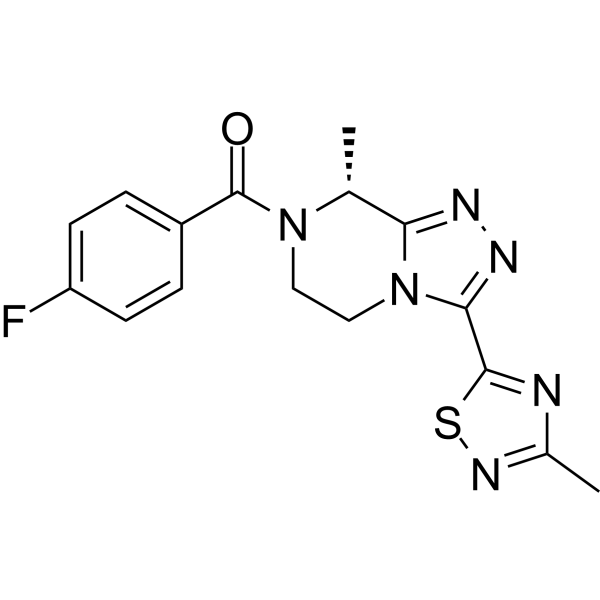
-
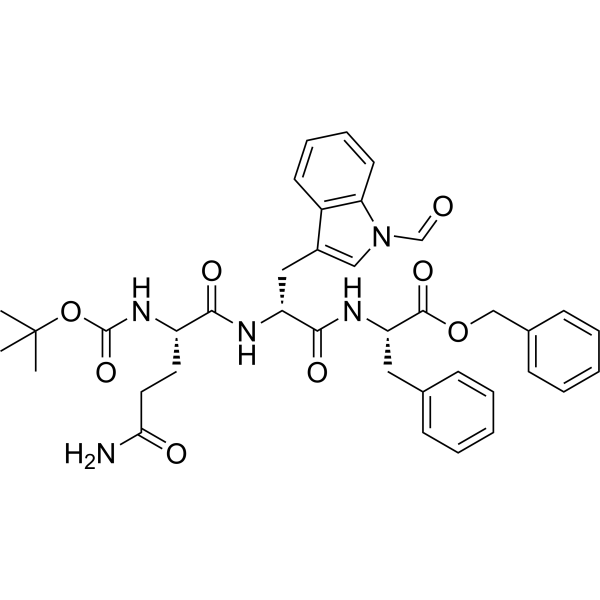
QWF Peptide
 0 Images
QWF Peptide is a substance P (SP) antagonist. QWF Peptide inhibits SP-induced biological responses and also suppresses SP-induced contraction of isolated guinea pig tracheal strips. QWF Peptide can be used for asthma-related research.
-
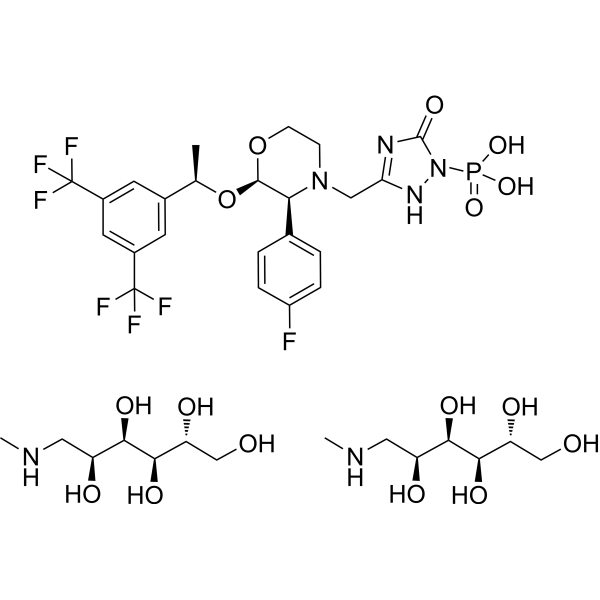
Fosaprepitant dimeglumine
 0 ImagesSynonyms: MK-0517; L785298
Fosaprepitant dimeglumine (MK-0517) is a proagent of Aprepitant (HY-10052). Fosaprepitant dimeglumine is a neurokinin-1 receptor antagonist, which is development for the prevention of chemotherapy-induced nausea and vomiting (CINV).
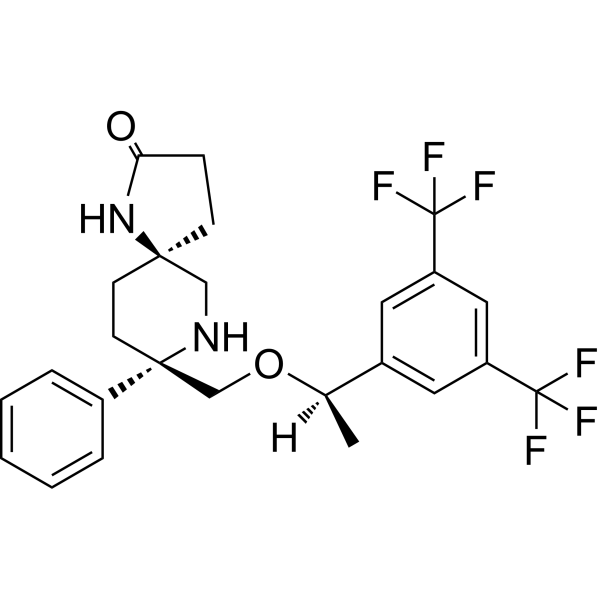
-
Saredutant
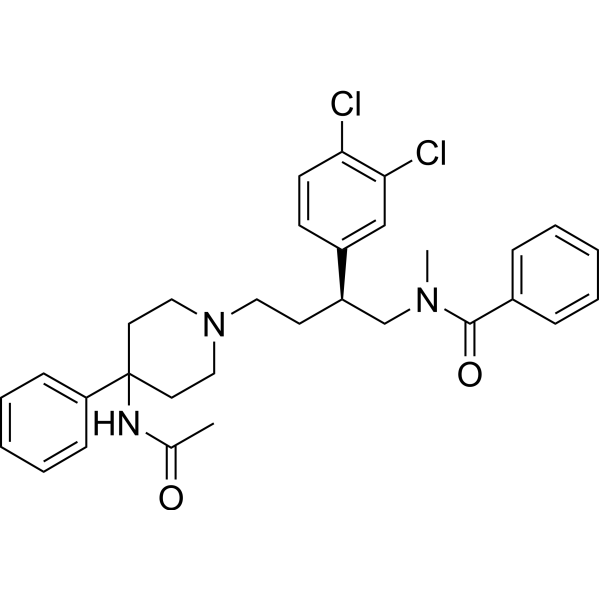 0 ImagesSynonyms: SR 48968; SR 48968C
Saredutant is a selective NK2 receptor antagonist.
-
Elinzanetant
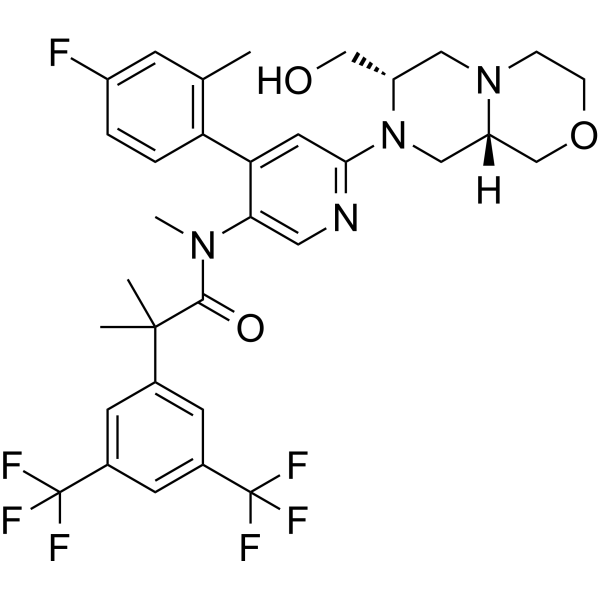 0 ImagesSynonyms: NT-814; BAY3427080
Elinzanetant is an orally active and selective NK-1 and NK-3 receptor antagonist. Elinzanetant alleviates menopause-associated vasomotor symptoms, including hot flashes and night sweats. Elinzanetant reduces estradiol and progesterone levels. Elinzanetant can be used for the research of moderate to severe vasomotor and sleep disorders associated with menopause.
-
L-733060 hydrochloride
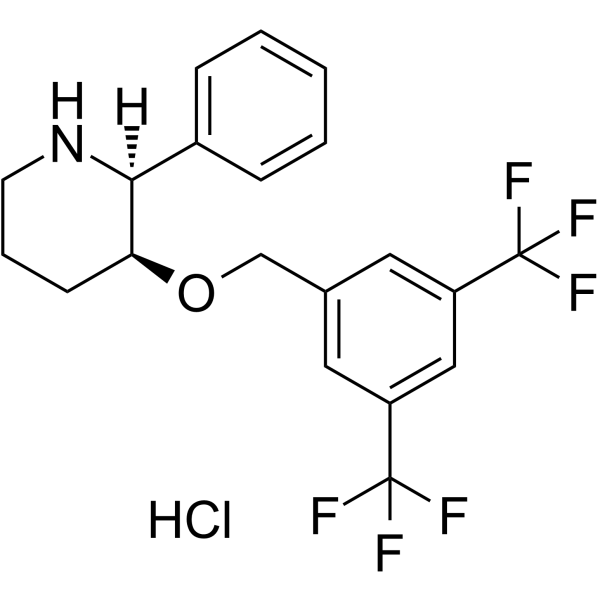 0 Images
L-733060 hydrochloride is a selective neurokinin-1 (NK-1) receptor antagonist. L-733060 hydrochloride mainly regulates pain transmission and neural plasticity by blocking the binding of Substance P (P substance) to the NK-1 receptor. L-733060 hydrochloride blocks the promoting effect of Substance P on long-term potentiation (LTP) in the hippocampus. L-733060 hydrochloride reverses the orofacial hyperalgesia induced by experimental occlusal interference (EOI) in rats. L-733060 hydrochloride hydrochloride inhibits neurogenic plasma extravasation at a dose that does not cause adverse cardiovascular effects in rodents, and also acts as an anti-tumor agent. L-733060 hydrochloride can be used for the study of chronic orofacial pain.
-
SB-222200
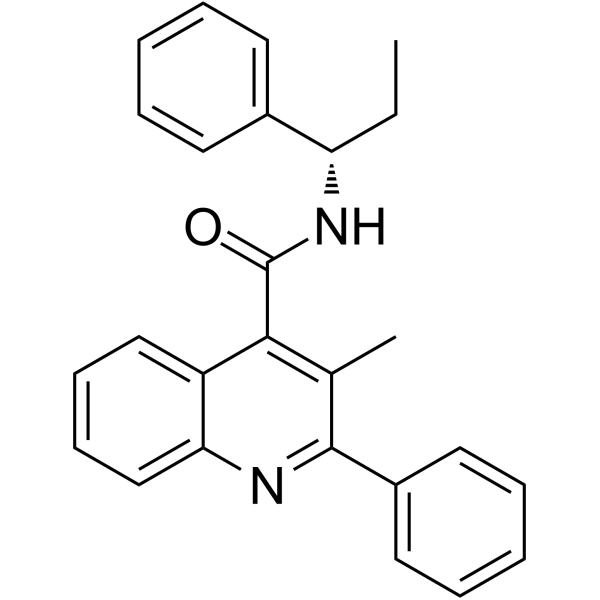 0 Images
SB-222200 is a potent, selective, orally active and blood-brain barrier (BBB) penetrant NK-3 receptor antagonist. SB-222200 is developed for central nervous system (CNS) disorders.
-
Talnetant
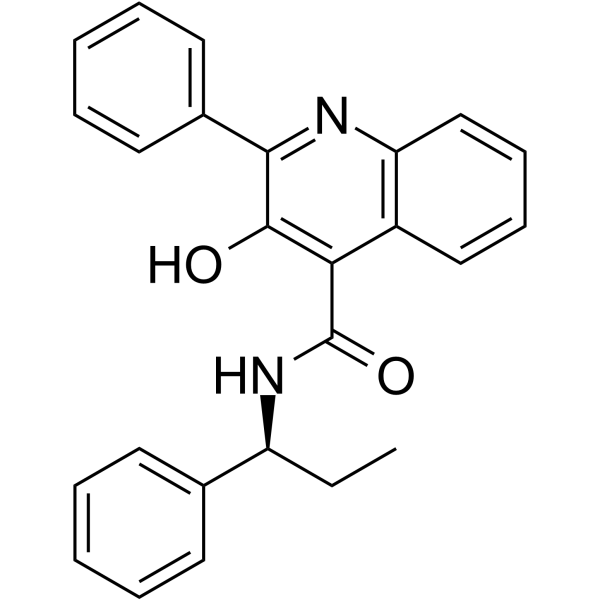 0 ImagesSynonyms: SB 223412
Talnetant (SB 223412) is a selective, competitive, brain-permeable NK3 receptor antagonist with a Ki of 1.4 nM in hNK-3-CHO cells. Talnetant is 100-fold more selective for hNK-3 relative to the hNK-2 receptor and has no affinity for hNK-1. Talnetant can be used in schizophrenia-related studies.
-
L-732138
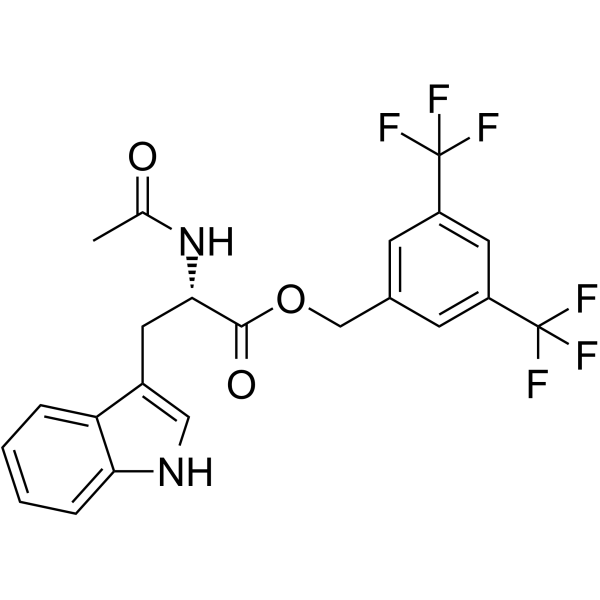 0 Images
L-732138 is a selective, potent and competitive neurokinin-1 (NK-1) receptor antagonist with an IC50 of 2.3 nM. L-732138 has 200-fold more potent in cloned human NK-1 receptors than cloned rat NK-1 receptors, and has > 1000-fold more potent than human NK-2 and NK-3 receptors. L-732138 can reduce hyperalgesia and has antitumor action.
-
Osanetant
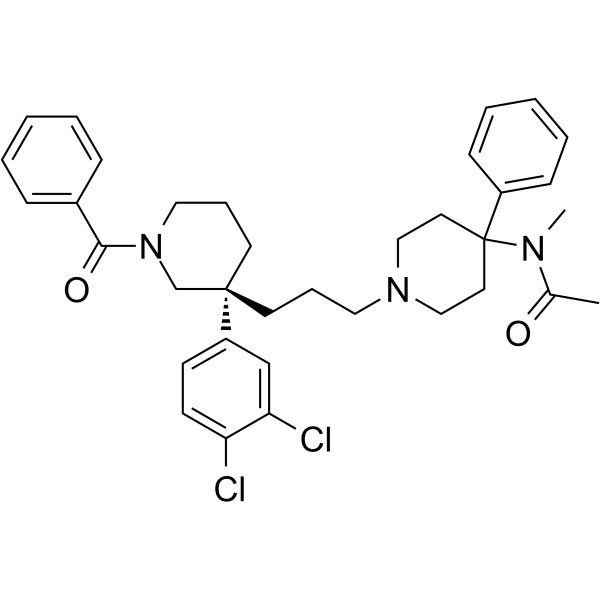 0 ImagesSynonyms: SR142801
Osanetant (SR142801) is a selective NK3 receptor antagonist. Osanetant produces anxiolytic- and antidepressant-like effects and is researched for schizophrenia.
-
GR 159897
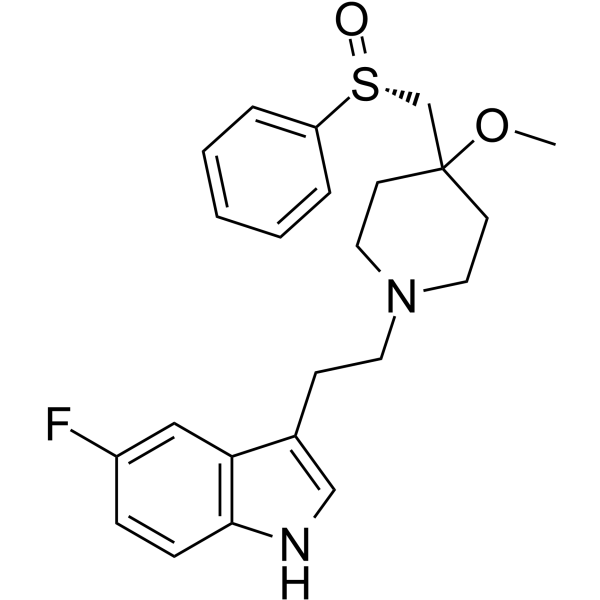 0 Images
GR 159897 is a highly potent, selective, competitive, brain-penetrated non-peptide neurokinin 2 (NK2) receptor antagonist. GR 159897 has little or no affinity for NK1 and NK3 receptors. GR 159897 inhibits binding of [3H]GR100679 to human NK2 (hNK2)-CHO cells and rat colon membranes with pKis of 9.51 and 10, respectively. Antagonizes bronchoconstriction. Anxiolytic-like and anti-tumor effects.
-
Vapreotide
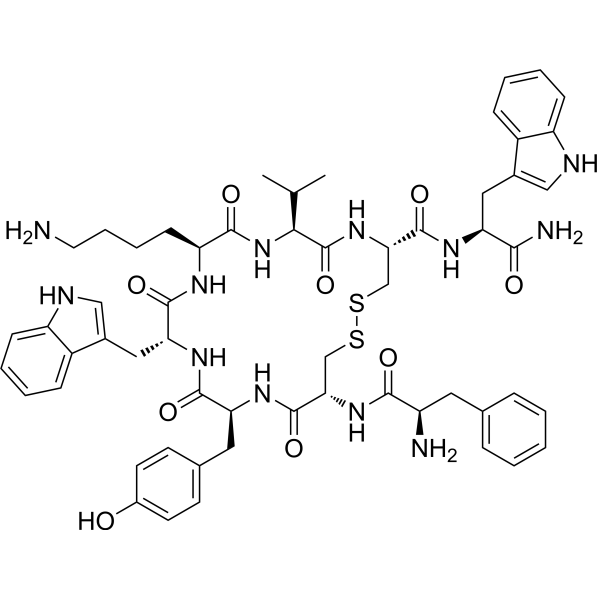 0 ImagesSynonyms: RC160; BMY 41606
Vapreotide is a neurokinin-1 (NK1) receptor antagonist, with an IC50 of 330 nM.
-
Orvepitant maleate
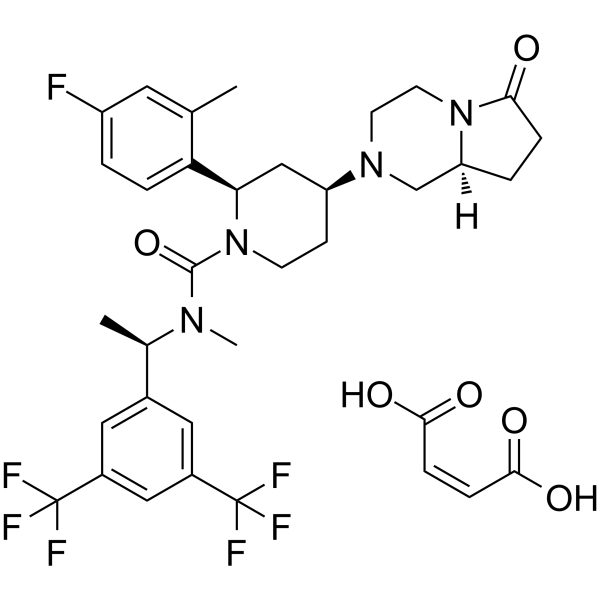 0 ImagesSynonyms: GW823296 maleate
Orvepitant maleate (GW823296 maleate) is potent, selective, orally active and well-tolerated neurokinin-1 receptor (NK-1) antagonist with a pKi of 10.2 for human neurokinin-1 receptor. Orvepitant maleate can across the blood-brain barrier. Orvepitant maleate has the potential for depressive disorder and chronic refractory cough (CRC) treatment.
-
Spantide II
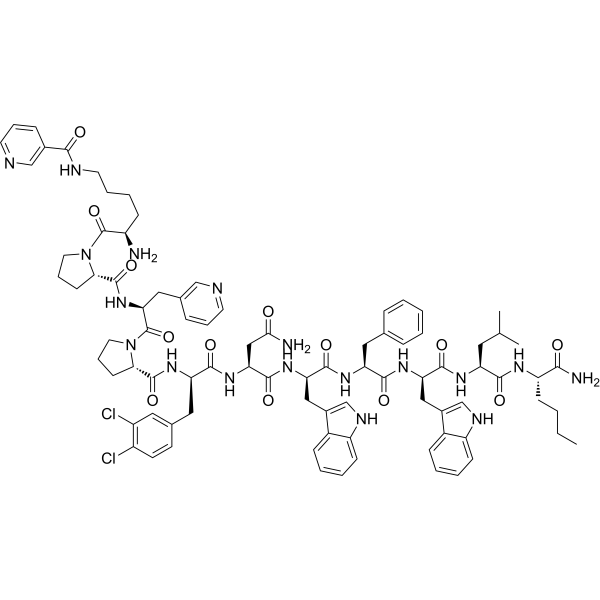 0 Images
Spantide II, an undecapeptide substance P (SP) analog, is a potent neurokinin-1 receptor (NK-1R) antagonist. Spantide II binds with NK-1R and blocks proinflammatory activities associated with SP. Spantide II can be used in the research of inflammatory skin disorders, such as psoriasis and contact dermatitis.
-
Rolapitant hydrochloride hydrate
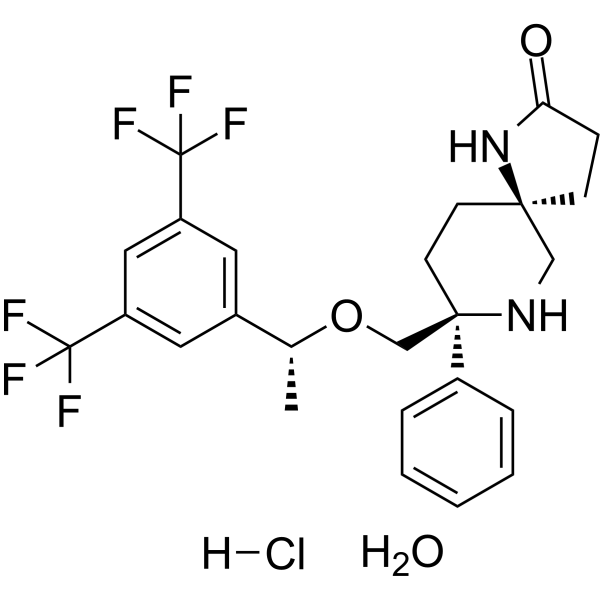 0 ImagesSynonyms: SCH619734 hydrochloride hydrate
Rolapitant hydrochloride hydrate (SCH619734 hydrochloride hydrate) is a potent, selective, long-acting and orally active neurokinin 1 (NK1) receptor antagonist with a Ki of 0.66 nM. Rolapitant hydrochloride hydrate does not interact with CYP3A4. Rolapitant hydrochloride hydrate shows potent anti-emetic activity in a ferret emesis model.
-
L-703606 oxalate hydrate
 0 ImagesCat. No.: HY-117216BPurity: 99.4%
L-703606 oxalate hydrate is a potent, selective antagonist of NK1 receptor. L-703606 can be used for study of gastric acid secretion.
-
Maropitant
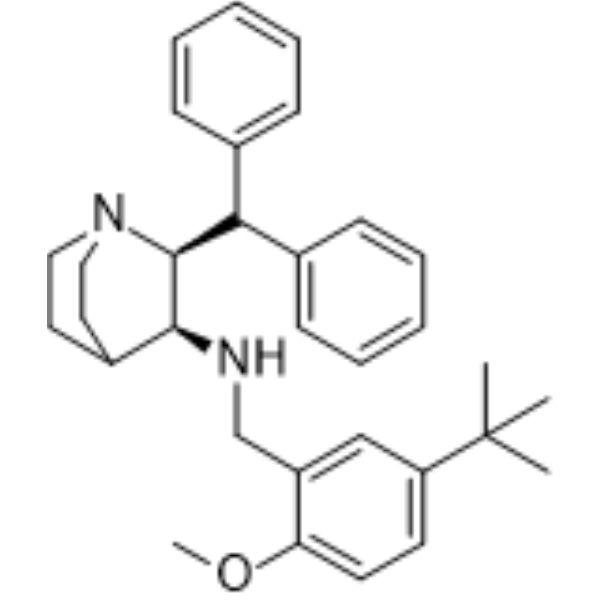 0 Images
Maropitant is an orally active NK1 receptor antagonist. Maropitant prevents vomiting and inhibits ulcerative dermatitis.
-
Casopitant mesylate
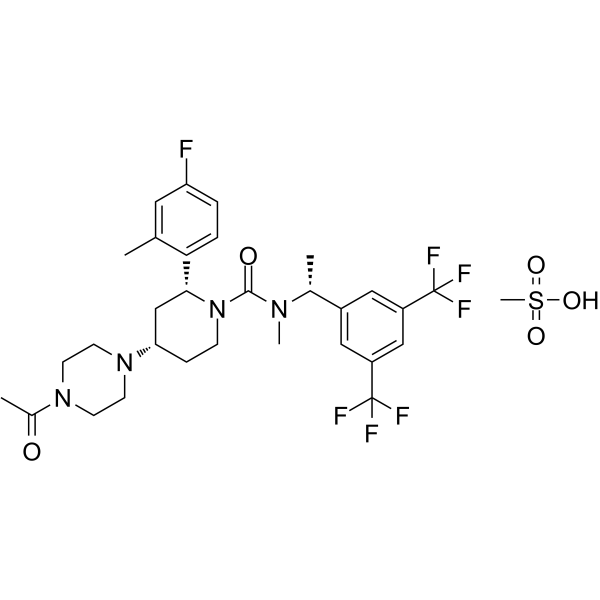 0 ImagesSynonyms: GW679769B
Casopitant mesylate (GW679769B) is a potent, selective, brain permeable and orally active neurokinin 1 (NK1) receptor antagonist. Casopitant mesylate is a second in the class of antiemetics that acts to antagonise the emetogenic effect of Substance P (HY-P0201). Casopitant mesylate is also a substrate and a weak-to-moderate inhibitor of CYP3A4. Casopitant mesylate can be used for chemotherapy-induced nausea and vomiting (CINV) and postoperative nausea and vomiting (PONV).



